Bankers' Club

  • Knowledge Hub
  • News
  • Bank Holidays 2024
  • 12th BPS News
  • About Us

Lending

cersai-fees-and-charges
Articles

CERSAI Fees and Charges

Particulars of equitable mortgage of immovable properties are required to be filed with CERSAI within 30 days of creation of mortgage. [Also read Procedure for Filing the Delay Condonation Application with CERSAI for delay ] So if someone has taken a housing loan or offered a property as collateral security in Read more…


By BankersClub, 9 yearsOctober 26, 2016 ago
cersai-registration-after-30-days-60-days
Articles

CERSAI Registration after 30 Days/ 60 Days – Procedure

Particulars of equitable mortgage of immovable properties are required to be filed with CERSAI within 30 days of creation of mortgage. If charge is not filed with CERSAI within 30 days, following is the procedure for filing charge (CERSAI registration) with delay after 30 days: [Also Read : CERSAI Fees Read more…

By BankersClub, 9 yearsOctober 26, 2016 ago
Micro-small-medium enterprises
Articles

Micro, Small & Medium Enterprises

Definition of MSME [Micro, Small & Medium Enterprises] as per The Micro, Small & Medium Enterprises Development Act 2006. An enterprise is micro Enterprise if investment in plant and machinery does not exceed Rs.25 lacs if engaged in manufacturing or production of goods AND investment in equipment does not exceed Read more…

By BankersClub, 9 yearsOctober 17, 2016 ago
collateral security
Articles

What is Collateral Security and Primary Security

We have explained below what is primary security and what is collateral security and how these are different.   Also Read: What is mortgage and types of mortgages What is primary security? In simple terms, Primary Security is that asset which is created out of the finance provided by lender. Read more…

By BankersClub, 9 yearsOctober 16, 2016 ago
pre-shipment finance
Articles

What is Pre-Shipment Finance or Packing Credit?

Pre-shipment Finance or Packing credit is a type of credit facility (loan), available for exporters. The advance is provided for financing the purchase of raw material, processing, manufacturing or packing of goods required before shipment of goods and for meeting working capital expenses for rendering of services. You may like Read more…

By BankersClub, 9 yearsOctober 15, 2016 ago
Articles

Credit Guarantee Fund for Micro Units (MUDRA)

Credit Guarantee Fund for Micro Units (CGFMU) was notified by Govt. on 18th April 2016 and has been made effective retrospectively for loans sanctioned with effect from 8th April 2015. CGFMU or in simple terms Guarantee Fund for Mudra Loans is managed by NCGTC (National Credit Guarantee Trustee Company Limited). The Read more…

By BankersClub, 9 yearsOctober 9, 2016 ago
Articles

Loans and Advances against Shares, Debentures and Bonds – RBI Guidelines

Advances to individuals As per RBI guidelines, Banks may grant advances against the security of shares, debentures or bonds to individuals subject to the following conditions: (i) Purpose of the Loan : Loan against shares, debentures and bonds may be granted to individuals to meet contingencies and personal needs or for Read more…

By BankersClub, 9 yearsOctober 3, 2016 ago
Articles

How to Verify geniuneness of Income Tax Returns

Income Tax Return (ITR) is the first thing banks asks for after KYC documents for any type of loan. The borrower submits copies of Income Tax Returns to the bank, which he has filed online. As a banker, specially on credit desk, due diligence is very important for processing any Read more…

By BankersClub, 9 yearsSeptember 24, 2016 ago
Articles

File Charge with CERSAI for Movable & Intangible Assets also

Charge on stocks & book debts machinery is also required to be filed with CERSAI. CERSAI, vide their notification dated 18/05/2016 has made it mandatory to file/ satisfy security transactions secured movables, intangibles and immovable other than equitable mortgage. Earlier security interest by way of mortgage of Immovable Properties were Read more…

By BankersClub, 9 yearsSeptember 21, 2016 ago
Articles

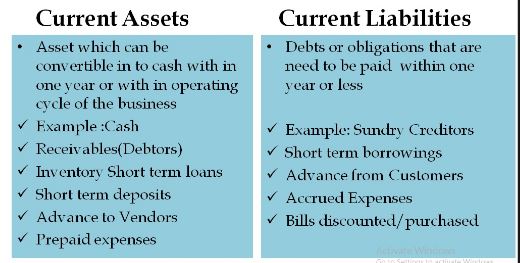
What are current assets and what are current liabilities and how to identify in balance sheet.

Current Assets are the assets which can be converted in cash within a short period of time (not more than one year). There are some assets, which can be disposed to generate cash immediately, which are known as liquid assets and some other which are held to generate cash within Read more…

By BankersClub, 10 yearsJune 18, 2016 ago

Posts navigation

Previous 1 2 3 4 Next
Write Article on BankersClub
simplified turnover method
Recent Posts
  • Vacancies for CGM, GM, DGM and AGM increased in all Public sector banks.
  • What is working Capital?
  • What is Pari Passu Charge | Simple Explanation
  • Simplified Turnover Method for working capital assessment: FAQs
  • Difference between LC and SBLC – Simplified
Best Books for CAIIB
Categories
  • Articles
  • Bank Holidays
  • Bank Promotion
  • Credit Cards
  • HR
  • Knowledge Hub
  • Lending
  • Misc.
  • News
  • Notifications
  • Regulations
  • Courses
  • Disclaimer

  • Knowledge Hub
  • News
  • Bank Holidays 2024
  • 12th BPS News
  • About Us
Hestia | Developed by ThemeIsle